




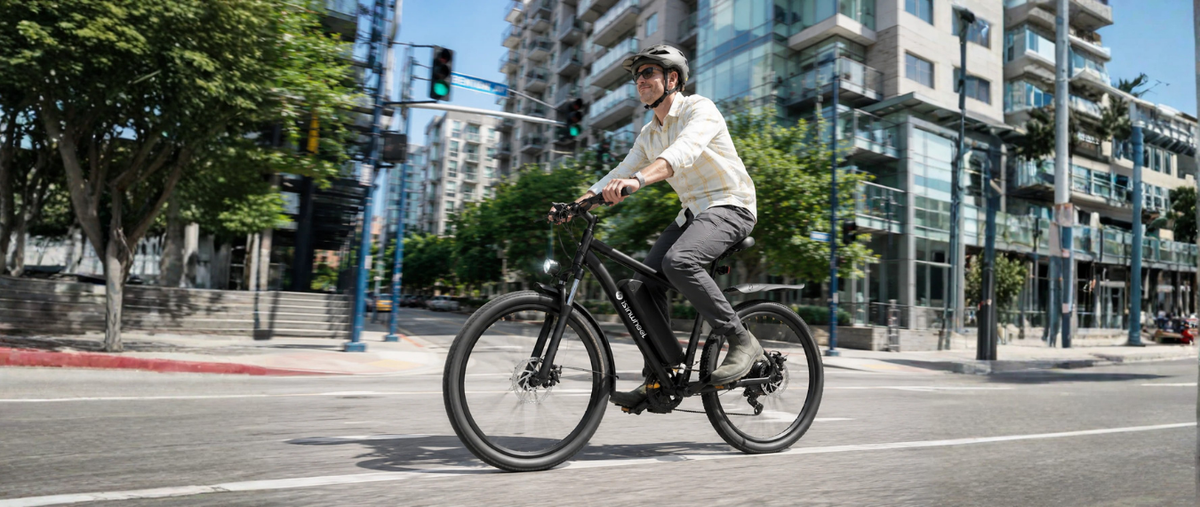
Electric Bike vs. Electric Scooter for Canadian Weather: Which One Handles Your Daily Ride Better?
Rain, Snow, or Sun: Which Ride Actually Keeps Up With Canada?
For most Canadian riders dealing with rain, slush, and sudden temperature drops, an electric bike usually handles the weather better than an electric scooter. Larger wheels, a lower center of gravity, and more stable handling make e-bikes easier to control on wet pavement, gravel, or light snow. That said, the better choice still depends on how far you ride, how much winter riding you plan to do, and where you store and charge your ride each night.
Canada's weather is not gentle. One week you're riding under clear skies in Vancouver, and the next you're dealing with an early snowfall in Calgary or freezing rain in Ontario. If you rely on an electric bike or electric scooter for your daily commute, weather isn't just a minor inconvenience it can affect your safety, your range, and how confident you feel on the road. This guide breaks down how each option performs in Canadian conditions so you can pick the ride that actually fits your routine.
Why Weather Changes the Way You Ride
Wet roads reduce traction. Cold temperatures reduce battery range. Wind resistance affects balance, especially on open bridges or exposed streets. All of these factors apply to both e-bikes and e-scooters, but they don't apply equally. A vehicle's wheel size, weight distribution, and riding posture all change how much a rider actually feels the effects of bad weather.
This matters most for people who ride year-round, not just on sunny weekends. If your commute takes you through downtown Toronto traffic, along a rainy Vancouver bike lane, or across icy sidewalks in Winnipeg, the vehicle you choose should keep up with those conditions without turning your ride into a balancing act. It also matters for anyone who rides at night or early morning, when frost and low visibility add extra challenges on top of the weather itself.
How Electric Bikes Handle Rain, Snow, and Cold
Tires and Traction
Electric bikes typically use larger wheels, often in the 20 to 26-inch range, with wider tread patterns designed for grip. This tire size difference alone gives e-bikes an advantage on wet or loose surfaces, since more rubber stays in contact with the road at any given moment. Models built with fat tires, like the isinwheel M40 folding electric bike, are especially useful for riders who deal with gravel shoulders, puddles, or light snow on their regular route to work or school.

Balance and Stability
Two-wheeled bikes with a seated riding position are naturally easier to balance than standing scooters, especially at low speeds or when braking suddenly. Riders sit lower and closer to the frame, which helps keep the bike steady when the road surface is unpredictable. For anyone commuting through a Canadian winter, that added stability can make a real difference on frost-covered mornings, especially near intersections where sudden stops are common.
How Electric Scooters Handle Rain, Snow, and Cold
Electric scooters are lighter, more compact, and easier to store, which makes them appealing for short city trips or for riders without much storage space at home. However, their smaller wheels and standing riding position make them more sensitive to road conditions than most e-bikes.
Small Wheels, Bigger Risks
Most electric scooters use wheels under 10 inches, which means small cracks, wet leaves, or patches of ice have a bigger impact on control than they would on a bike. Standing riders also have a higher center of gravity, so sudden stops or slippery patches are harder to recover from compared to sitting on a bike. Scooters still work well for short, dry-weather commutes across flat, well-maintained pavement, but they generally require more caution once the weather turns.
Battery Range in Cold Canadian Temperatures
Cold weather reduces the range of any lithium battery, whether it's mounted on a bike or a scooter. Riders in cities like Edmonton or Ottawa can expect noticeably shorter range once temperatures drop below freezing, sometimes by 20 percent or more on the coldest days. Because electric bikes typically carry larger battery packs to begin with, the percentage drop in range often feels less severe in day-to-day riding. Riders who want extra range flexibility for winter commutes might look at a bike like the isinwheel M10s 750W electric commuter bike, which is built with everyday commuting distances in mind.

Whichever vehicle you choose, keeping the battery indoors overnight, avoiding full drains in freezing temperatures, and charging at room temperature will help preserve both range and long-term battery health through the colder months.
Which One Actually Fits Your Daily Commute?
If your commute is short, mostly flat, and you're riding through a downtown core with good bike lanes, an electric scooter can still be a practical, budget-friendly option. Our guide on finding the best budget e-bikes for daily errands is worth a look if you're weighing cost against daily practicality before you decide.
If your route includes hills, longer distances, or unpredictable weather, an electric bike is usually the safer and more reliable pick. Riders who need to carry groceries, a laptop bag, or gear for work often find that a cargo-style bike, like the isinwheel U7 1000W cargo bike, handles both the extra load and the weather better than a scooter ever could. If hills are a regular part of your commute, it's also worth reading our breakdown on choosing the best electric scooter for hills in Canada before making your final decision.

The Verdict for Canadian Commuters
There's no single answer that works for every rider, but for most people commuting through Canadian rain, wind, and winter conditions, an electric bike offers more stability, better traction, and a more comfortable ride overall. Electric scooters still have their place for short, dry, flat trips where portability matters more than weather resistance. The best approach is to think honestly about your daily route, how much bad weather you're willing to ride through, and how far you actually need to travel each day. Once you match the vehicle to your real commute instead of the ideal one, the choice usually becomes a lot clearer.
What Canadian Riders Often Ask
Are electric bikes safe to ride in the snow?
Electric bikes with wider tires can handle light snow and slush reasonably well, but heavy snowfall or ice still calls for extra caution and slower speeds.
Do electric scooters work in the rain?
Most electric scooters can handle light rain, but wet surfaces reduce traction significantly, so slower speeds and careful braking become important.
Does cold weather damage e-bike or e-scooter batteries?
Cold temperatures reduce range and performance, but they don't damage a lithium battery as long as it's stored indoors and not charged while frozen.
Which is better for a Canadian winter commute, an e-bike or e-scooter?
An electric bike is generally the better choice for winter commuting because of its wider tires, seated stability, and larger battery capacity.
Can I ride an electric bike or scooter year-round in Canada?
Many riders do, but it depends on your comfort with cold weather, the condition of local bike lanes, and whether your area gets heavy snow or ice.

Share:
Best Electric Scooter for Hills in Canada | Dual Motor Guide
What Size Electric Ride Do You Need? A Canadian Guide to Tires, Motors, Batteries, and Rider Weight