




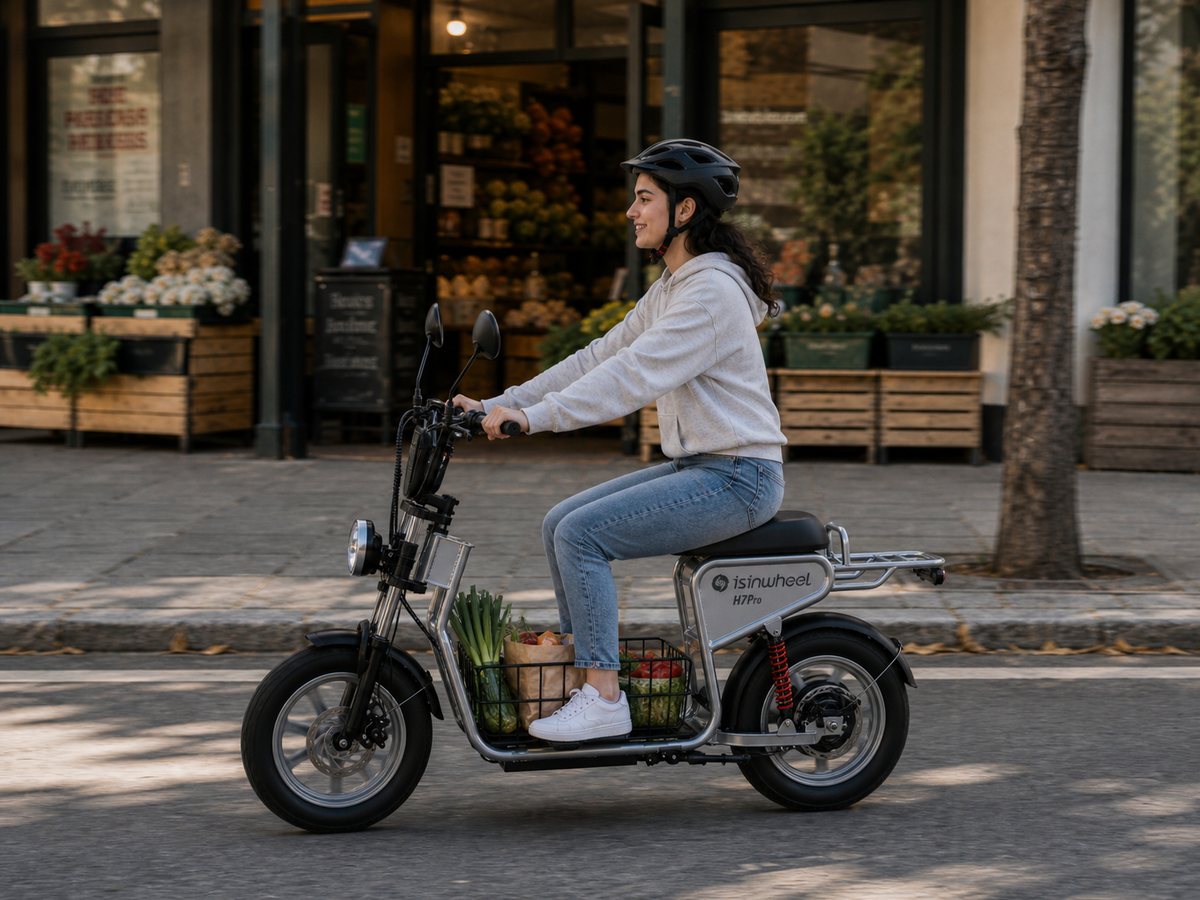
From Four Wheels to Two: What Your First Week Should Look Like
If you're switching from a car to an electric scooter for your daily commute, the fastest way to set yourself up for success is to choose a scooter that matches your commute distance, learn your local riding laws before your first trip, get the right safety gear, and build a simple daily charging routine from day one. Most of the frustration new riders run into comes from skipping one of these steps, not from the scooter itself.
Making the switch is a bigger shift than it looks like on paper. A car protects you from weather, carries your bag, and doesn't need to be plugged in every night. An electric scooter asks a little more planning in exchange for lower costs, easier parking, and a much shorter commute through traffic. Setting things up correctly in the first week makes that trade-off feel worth it.
Why More Car Owners Are Making the Switch
Gas prices, parking costs, and traffic congestion push a lot of commuters toward smaller, lighter transportation. An electric scooter skips traffic jams, needs no parking spot, and costs a fraction of what a car does to run. For commutes under a few kilometres, it often ends up faster door-to-door than driving once you factor in parking and walking.
Step 1: Pick the Right Scooter for Your Commute Distance
The scooter that works for a coworker's 3-kilometre ride might leave you stranded halfway through a 15-kilometre commute. Distance and terrain should drive your choice, not just price.
Short, Flat Commutes
If your commute is under 15 kilometres on mostly flat streets, a lighter commuter scooter is usually enough. The isinwheel S Nova is built for exactly this kind of short, everyday ride, with easy folding for carrying it the last block into work.
Longer or Mixed-Terrain Commutes
For commutes that stretch past 15 kilometres, involve hills, or mix pavement with rougher patches, a scooter with more battery capacity and a stronger motor holds up better. The isinwheel S10Max and isinwheel H7 Pro both offer longer range and more power, which matters if you don't want range anxiety on the way home.
If you're still weighing distance against battery life, How to Choose the Right iSinwheel Electric Scooter for City Streets and Long Commutes walks through this in more detail.
Step 2: Learn the Local Rules Before Your First Ride
Every province and city treats electric scooters a little differently. Some require a helmet, some restrict sidewalk riding, and speed limits for e-scooters vary by province and even by municipality. Before your first commute, check your provincial transportation ministry's website or your city's bylaws page for scooter-specific rules, including where you're allowed to ride and whether registration is needed.
Step 3: Gear Up for Safety
A car comes with airbags and a seatbelt built in. A scooter doesn't, so your gear becomes your safety net. At minimum, that means a helmet, and ideally reflective clothing or lights if any part of your commute happens at dawn, dusk, or after dark. Gloves and knee pads are worth considering if your route includes uneven pavement or higher speeds especially useful once the weather turns cooler.
Step 4: Build a Charging Routine From Day One
One of the biggest adjustments coming from a car is remembering to "refuel" every night instead of every week or two. Set a habit of charging your scooter as soon as you get home, rather than waiting until the battery is low. This keeps you from getting caught with a dead scooter on a morning you're already running late, and it's easier on the battery long-term than letting it sit fully drained.
Step 5: Plan Your Route and Timing
Car routes and scooter routes aren't always the same. Highways are off-limits, but bike lanes, side streets, and shortcuts through parks often make a scooter commute faster than driving the same route. Test your route on a weekend first, so you're not figuring out detours, curb cuts, or construction on your first Monday commute.
What to Expect in Your First Two Weeks
The first few rides usually feel slower and more deliberate than driving, especially while you're getting used to braking distance and balance. By the second week, most new riders report the commute feeling routine, and many notice they're saving time by skipping parking and traffic altogether. If you're comparing your options against sticking with a car entirely, 2026 Electric Scooters for Car-Free Households: Where to Start Your Search is a useful next read.
From Driver's Seat to Deck: Making the Switch Stick
Switching from a car to an electric scooter isn't just about buying a new piece of gear it's a new daily routine. Picking a scooter that fits your actual commute, knowing the local rules, gearing up properly, and charging consistently are what turn a first ride into a habit that sticks. Give yourself the first two weeks to adjust, and most of the friction fades faster than expected.
Common Questions From First-Time Scooter Commuters
Do I need a licence to ride an electric scooter?
Requirements vary by province and municipality, so it's worth checking your local transportation ministry rules before your first ride.
How far can a commuter electric scooter go on one charge?
Range depends on the model, rider weight, and terrain, but many commuter scooters cover anywhere from 25 to 65+ kilometres per charge.
Is it safe to ride an electric scooter in traffic?
Riding in dedicated bike lanes when available, wearing a helmet, and using lights at night all make a big difference in safety.
Can I ride an electric scooter in the rain?
Light rain is generally fine for most models, but heavy rain or deep puddles should be avoided to protect the electrical components.
How long does it usually take to get comfortable riding daily?
Most new riders feel noticeably more confident within one to two weeks of regular use.

Share:
Daily Commuter's Guide to Maintaining an Electric Scooter for Long-Term Reliability